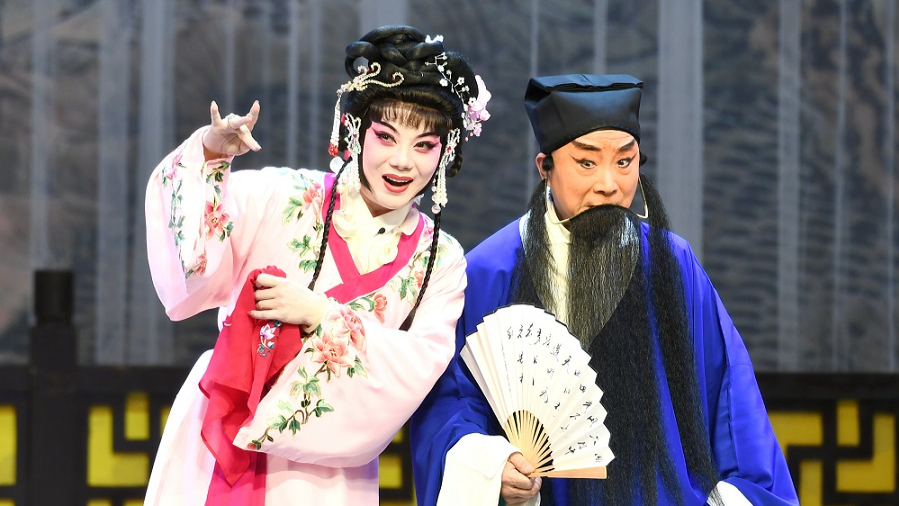
Song Jiang
Introduction
Song Jiang is a prominent character from the classic Chinese novel Water Margin (also known as Outlaws of the Marsh), attributed to Shi Nai'an. As one of the central figures in this literary masterpiece, Song Jiang is portrayed as a leader of the 108 outlaws who gather at Liangshan Marsh to form a band of righteous rebels. His story has been adapted into various forms of Chinese traditional art, including Peking Opera, where his narrative is explored in depth, particularly his complex relationships and moral dilemmas.
Background and Role in Water Margin
In Water Margin, Song Jiang is depicted as a district official known for his sense of justice and loyalty. Despite his initial position within the legal system, he becomes disillusioned with the corruption and oppression of the ruling authorities. This leads him to join the band of outlaws at Liangshan Marsh, where he rises to become their leader. Song Jiang is characterized by his intelligence, strategic thinking, and a strong sense of camaraderie, which earns him the respect and loyalty of his fellow outlaws.
One of the most dramatic episodes involving Song Jiang is the story of his concubine, Yan Xijiao. This tale, which has been adapted into Peking Opera, highlights Song Jiang's moral struggles and the tragic consequences of betrayal and jealousy. Yan Xijiao's secret affair with Song Jiang's apprentice, Zhang Wenyuan, ultimately leads to her demise at the hands of Song Jiang, showcasing the darker and more complex aspects of his character.
Song Jiang's Legacy in Chinese Culture
Song Jiang's story, as depicted in Water Margin and its adaptations, continues to resonate with audiences due to its themes of loyalty, justice, and the struggle against corruption. His character embodies the complexities of human nature, as he navigates the challenges of leadership and personal morality. The tale of Song Jiang and Yan Xijiao, in particular, serves as a poignant exploration of love, betrayal, and the consequences of one's actions.
The enduring appeal of Song Jiang's narrative is evident in its continued adaptation into various art forms, including Peking Opera, television dramas, and literature. These adaptations not only preserve the cultural heritage of Water Margin but also introduce its timeless themes to new audiences, ensuring that the legacy of Song Jiang remains an integral part of Chinese cultural history.








